Essential Tips for Preparing for Winter Sports
Get the Right Gear
When preparing for winter sports, having the appropriate gear is crucial. Whether you’re skiing, snowboarding, or ice skating, the right equipment can make all the difference. Start by investing in quality outerwear that offers insulation and waterproofing. This will keep you warm and dry, allowing you to focus on your performance.
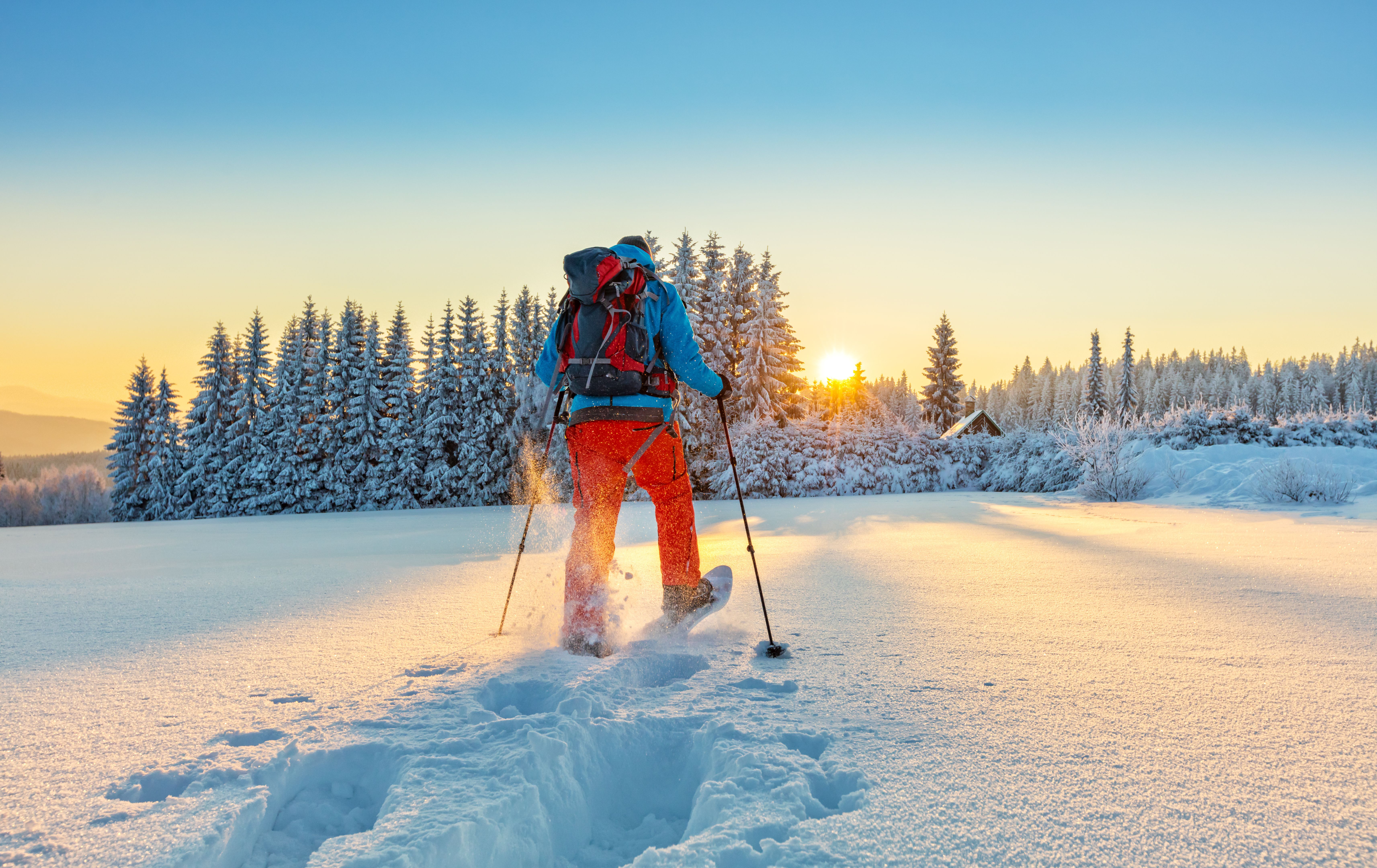
Essential gear includes gloves, helmets, and goggles. These items provide protection and enhance your ability to navigate the snowy terrain. Make sure your equipment is well-fitted and comfortable, as this will prevent injuries and improve your experience.
Physical Preparation
Before hitting the slopes, it's vital to prepare your body. Engage in exercises that build strength, flexibility, and endurance. Focus on workouts that target the legs, core, and cardiovascular system. This will help you maintain balance and stamina throughout your activities.
Consider incorporating exercises like squats, lunges, and planks into your routine. These moves enhance muscle strength and stability, which are essential for winter sports. Regular cardio sessions, such as running or cycling, will also improve your endurance.
Understanding the Environment
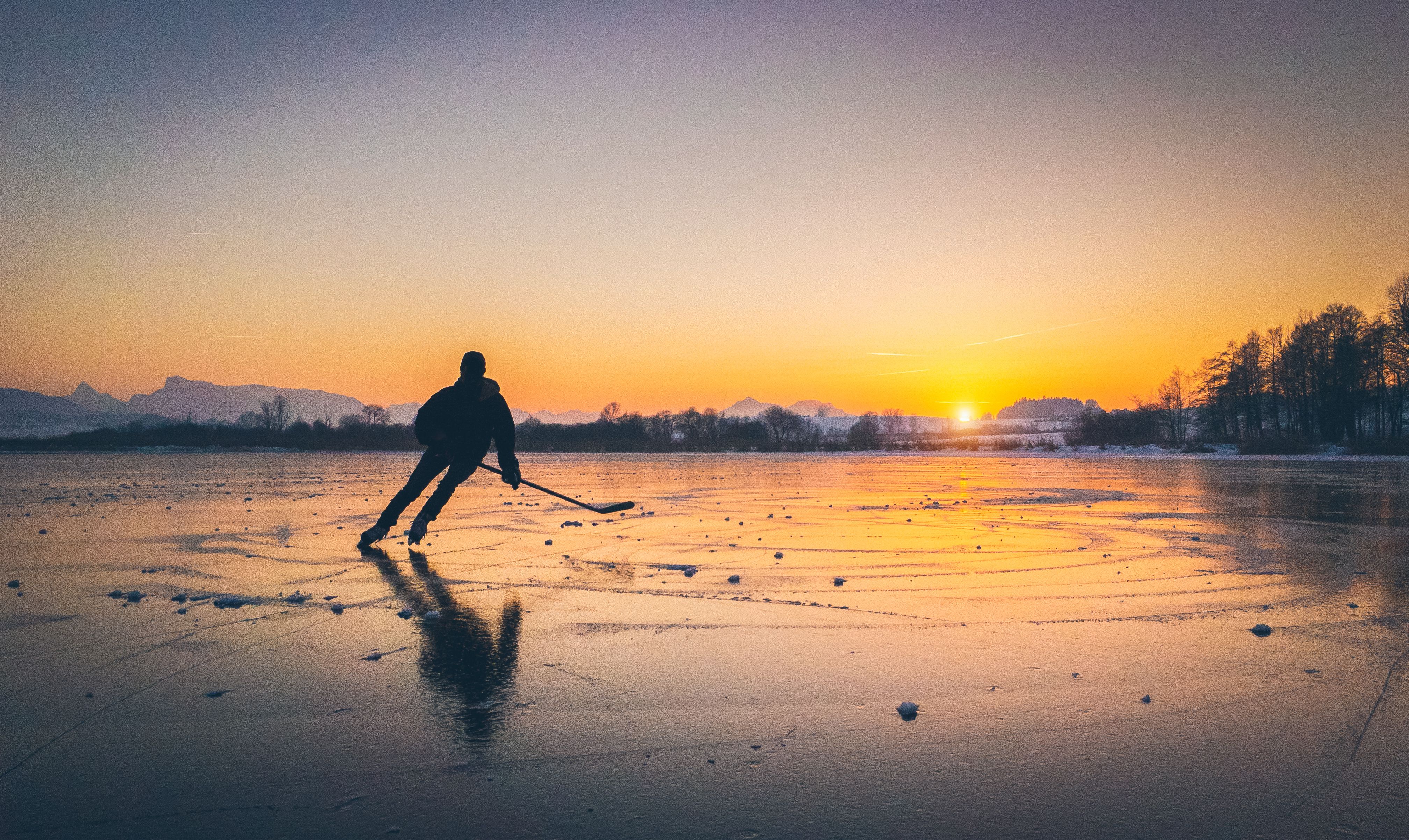
Winter sports take place in unique environments, so understanding the weather and terrain is key. Stay informed about weather conditions and forecasts before heading out. This knowledge will help you prepare accordingly and avoid unexpected challenges.
Familiarize yourself with the specific location where you’ll be participating. Each area has its own characteristics, such as slope steepness or ice thickness. Knowing these details ensures you can plan your activities safely and effectively.

Safety First
Safety should always be your top priority when engaging in winter sports. Start by learning the basic safety rules and signals for the sport you’re participating in. This will keep you and others safe on the slopes or ice.
Always inform someone of your plans and expected return time. Carry a small emergency kit that includes items like a whistle, flashlight, and first-aid supplies. These precautions can be lifesavers in case of unexpected situations.
Stay Hydrated and Nourished
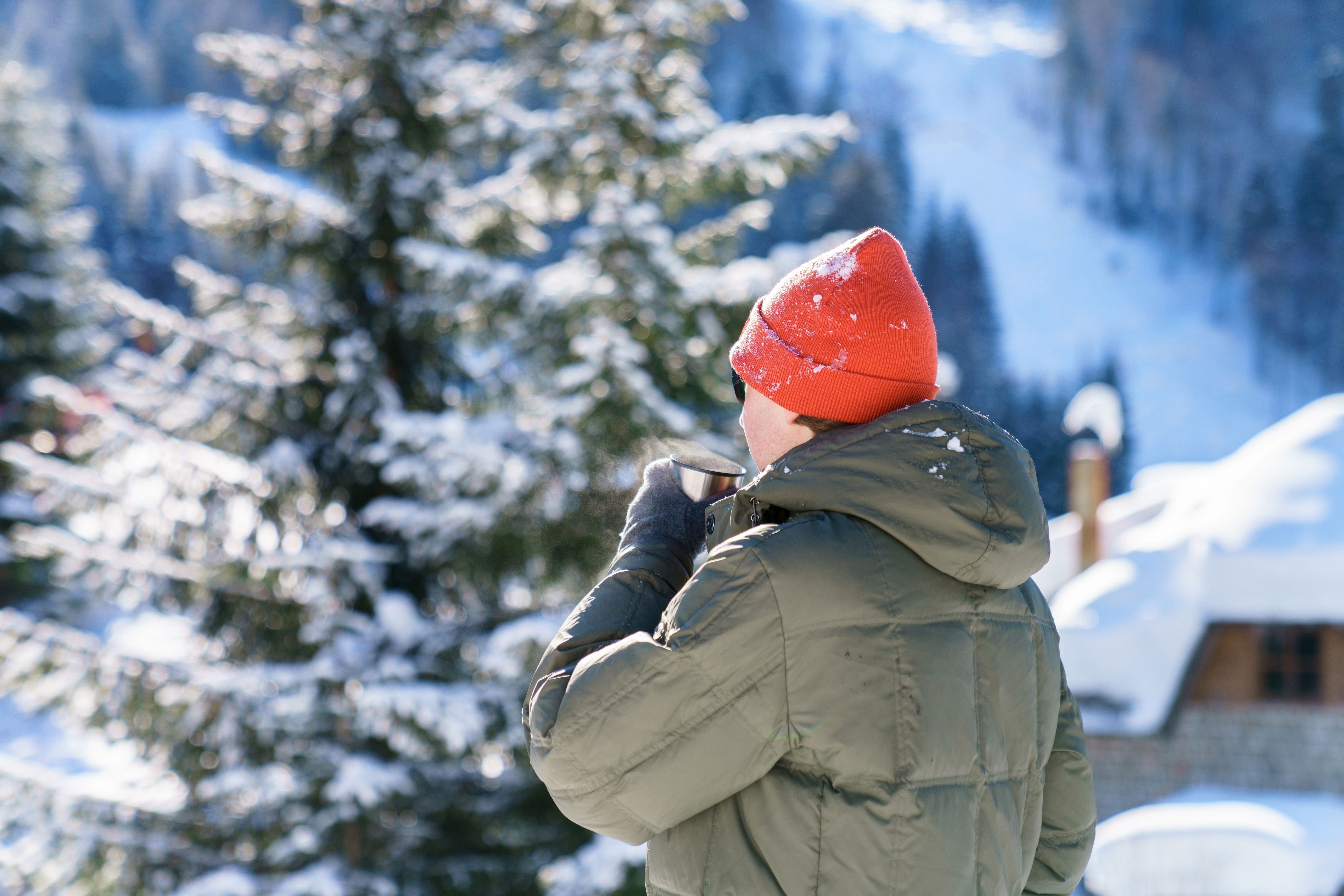
Cold weather can be deceiving when it comes to hydration. Despite the chilly temperatures, your body loses fluids quickly due to increased physical activity. Drink plenty of water throughout the day to stay hydrated.
Fueling your body with the right nutrients is just as important. Pack snacks that provide energy, such as nuts, granola bars, and fruits. These will keep your energy levels steady and help you perform at your best.
Get Proper Rest
Adequate rest is essential for both physical recovery and mental focus. Ensure you get enough sleep each night, especially before a big day on the slopes. Rest helps your muscles recover and keeps your mind alert and ready for action.
If you feel fatigued during your activities, take breaks. Listen to your body and avoid pushing yourself beyond your limits. This approach minimizes the risk of injury and enhances your overall enjoyment.